
Brands Built in the Desert: A New Era of Brand Building at Coachella
Coachella isn't just a music festival anymore.
It's now one of the largest cultural gatherings on the planet, sitting at the intersection of music, fashion, and brand marketing.
At a time when authenticity and human connection matter more than ever, showing up in person resonates differently.
With 500K+ attendees and a $700M+ in economic impact across the two weekends, Coachella is now the SuperBowl for brands to create real-world experiences people genuinely want to be part of.
Here are the brands that we think got it right this year.
Pinterest: Went phone-free at a festival built for content
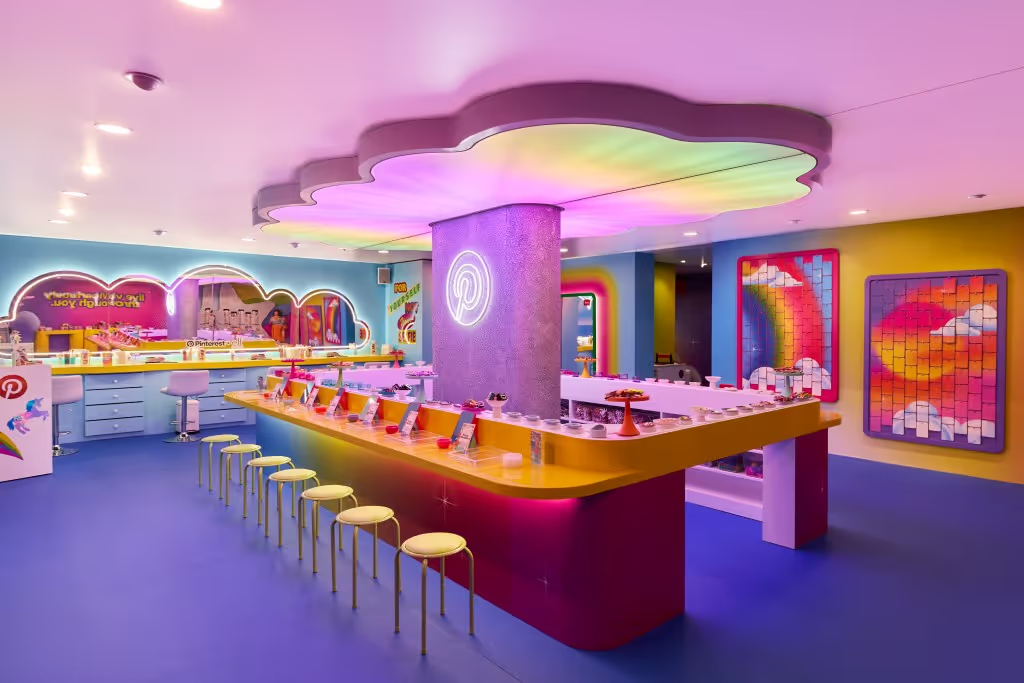
In a bold alignment with their "The best thing you can find online is a reason to go offline" brand positioning, Pinterest locked phones away and had guests create physical keepsakes from live trend data.
The result?
Massive earned media and one of the most talked-about experiences at the festival. They didn't explain their mission. They made people feel it. (Searches for "analog aesthetic" are up 260%, by the way.)
818: Not a brand sponsor but a host
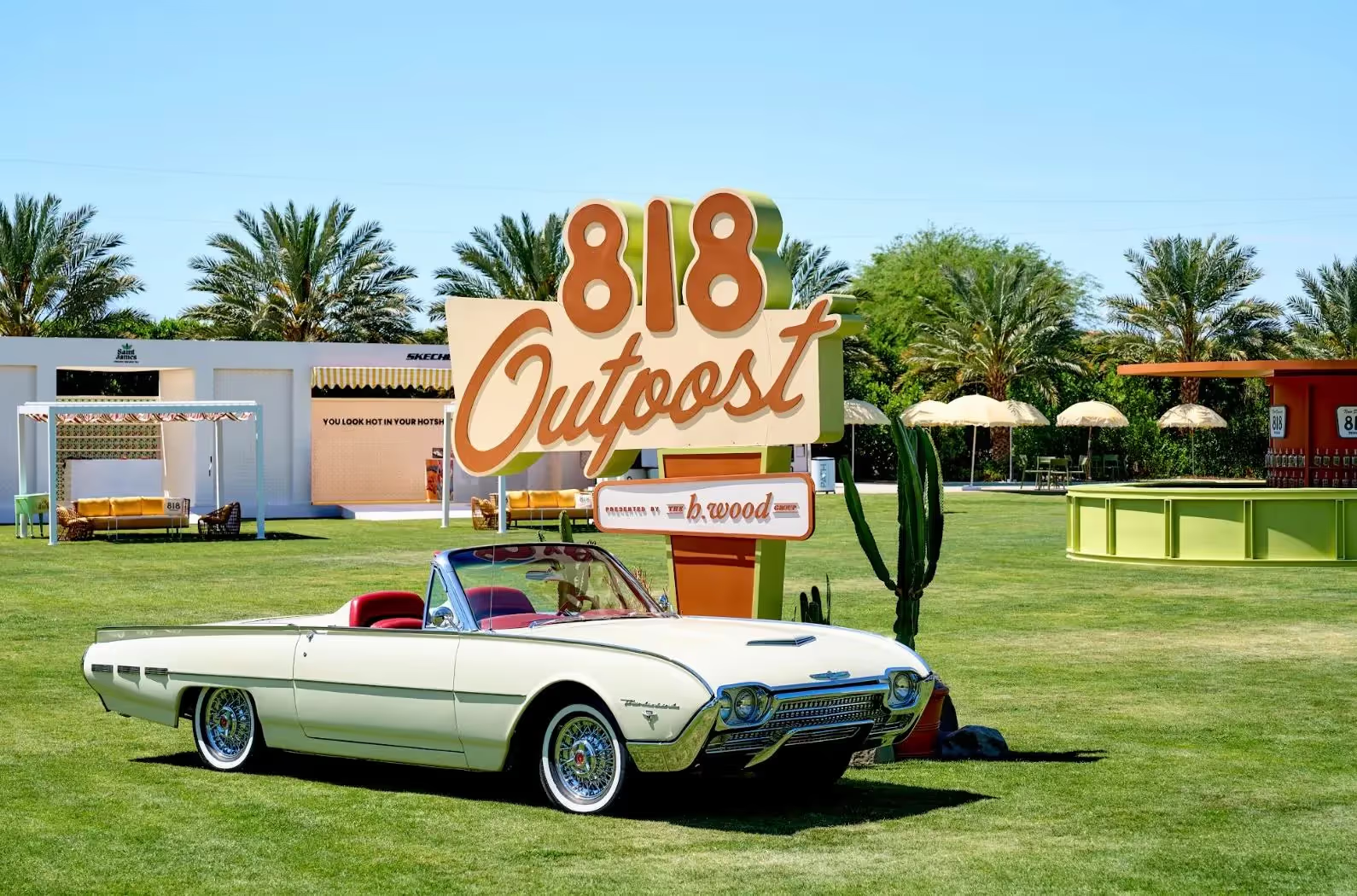
They showed up as a platform, not just a sponsor.
They created a destination. One brands want in on. And people want to be a part of. Bringing together names like Postmates, Snapchat, and Kylie Cosmetics, alongside food partners and product activations, into one shared experience.
They’re not just building awareness. They’re building a world and a feeling people now associate with the brand.
And it’s working.
In just the first weekend, 818 drove 32M video views across 500 influencer posts.
Year after year, they’re building brand equity through experiences people relive and reshare long after the desert clears.
Heineken: Made the product the enabler, not the hero
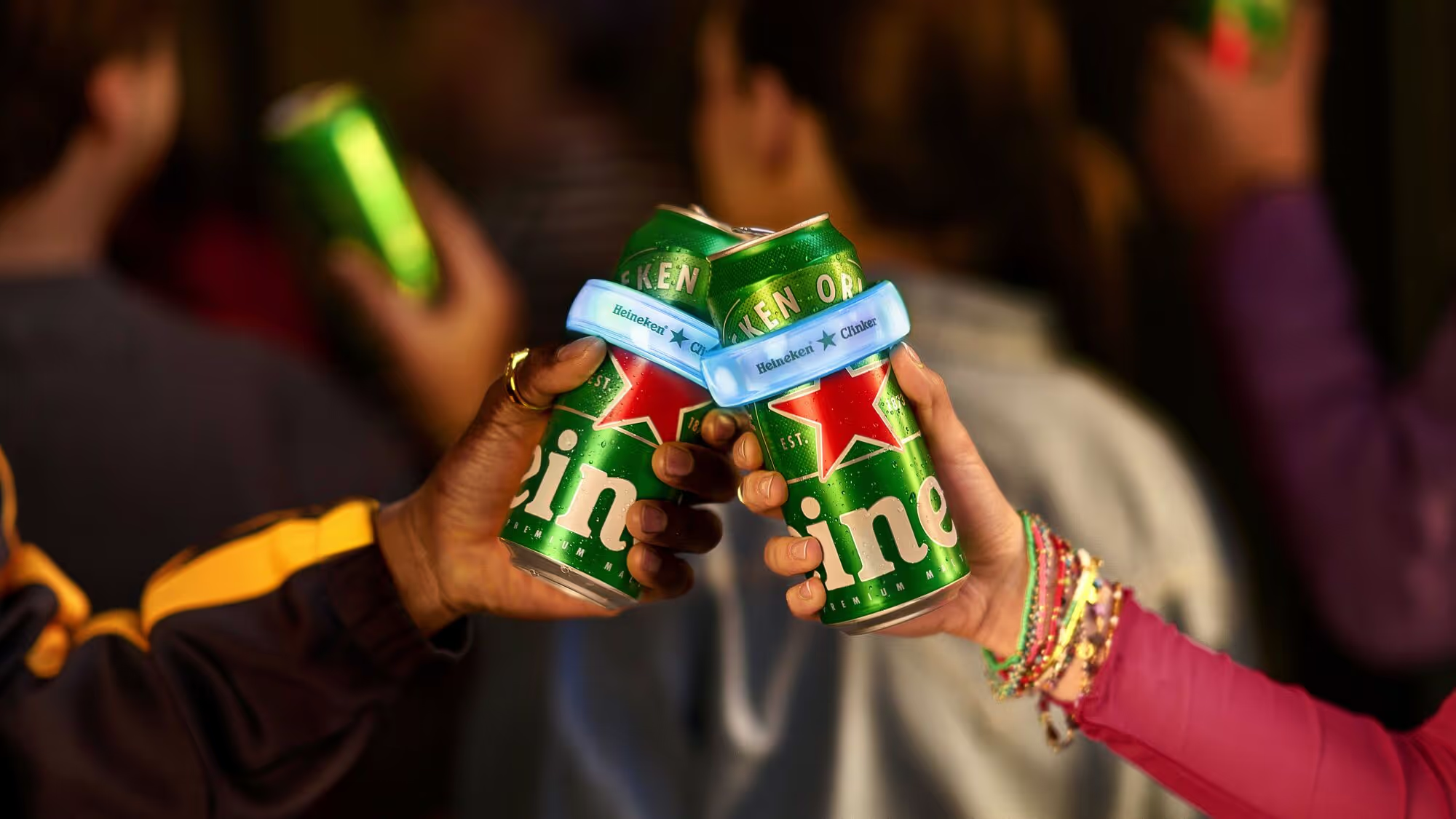
A smart wristband that analyzes your Spotify taste when you clink cans, then lights up the venue when there's a match.
Twenty-three years into their Coachella partnership, they found a way to tie the product to the reason people were there in the first place: music & connection.
They didn’t just market the product.
They created a feeling people now tie back to the brand.
Neutrogena and Always: Solving real customer problems
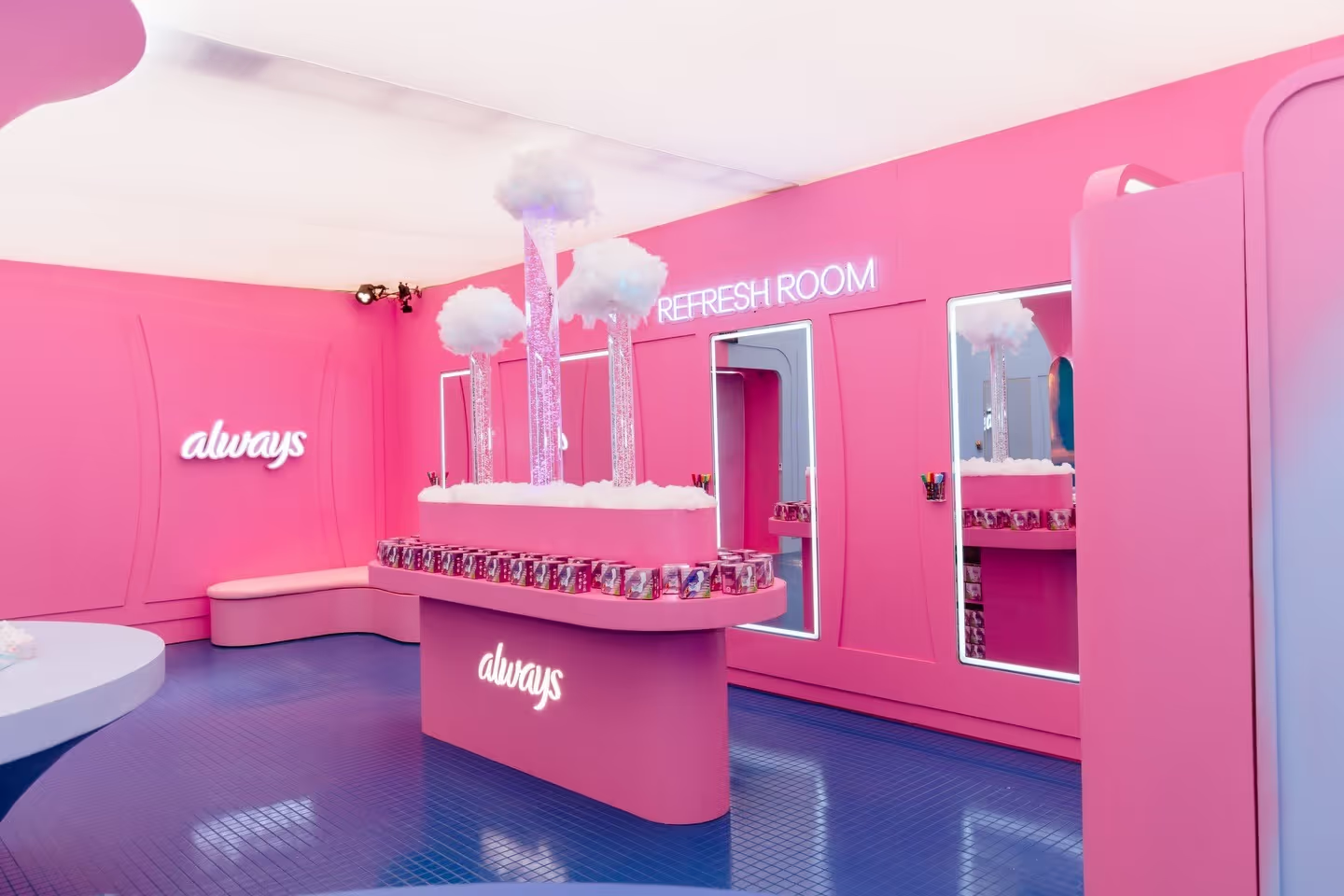
Some of the most effective brands here aren’t asking ‘how do we show up?’ They’re asking ‘what problem can we own?’
Neutrogena addressed the most obvious one, sun exposure, with sunscreen stations people now rely on year after year.
Always & Secret created ‘Refresh Rooms’ and ‘Porta-Parties’ which turned a functional need into something social and shareable.
When you solve a real problem, you earn repeat relevance. Not just attention.
Gap: Staying Authentic
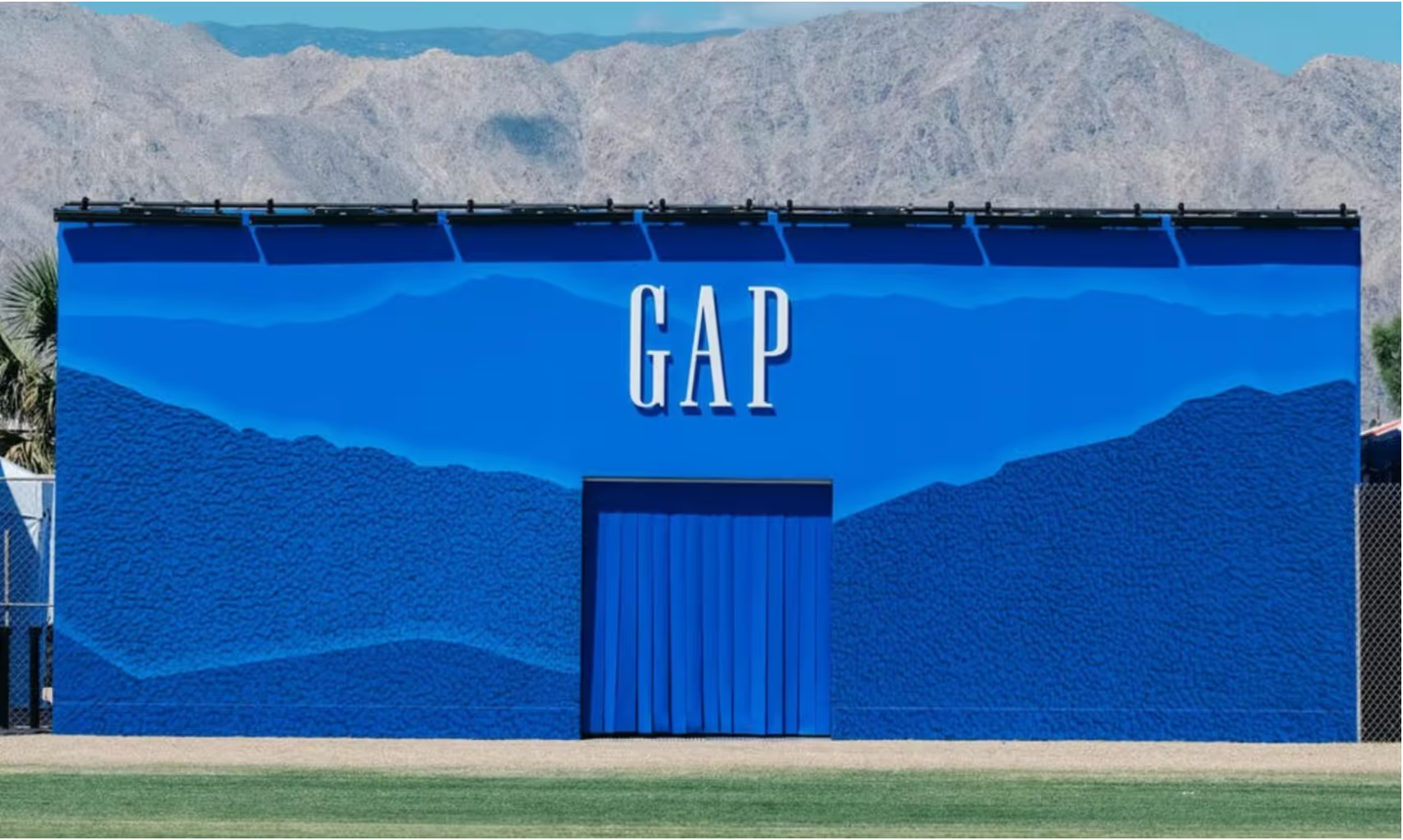
The Hoodie House leaned into what Gap has always been. A physical expression of their roots in music and culture. Limited edition merch. Customizable perks. Music-led marketing campaigns.
It worked because it was authentic.
In a sea of brands trying to be something new, Gap doubled down on what they’ve always been. And brought it to life.
What This Means for Brands
Coachella is showing us where brand building is going next.
Not louder. Not bigger.
More human.
Here are the main takeaways:
- Build platforms, not campaigns. The best ideas don’t end when the event does. They live on in culture.
- Create experiences, not messaging. People share what they feel, not what they’re told.
- Start with brand truth. The strongest ideas don’t reinvent identity. They make it tangible.
- Use product as an entry point. Not the story. The enabler of connection.
- Solve something real. Utility earns attention. And keeps it.
We’re in a moment where marketing is flooded with content but starved of meaning.
Coachella proves the way forward.
The brands that are winning aren’t advertising. They're creating moments & experiences that people want to share.
Recent Articles
What Higher Education Can Learn From Successful Consumer Brands
How Small Agencies Can Manage CMO Churn
.webp)
Life lessons from the Queen of Country
Is your brand ready to roar?roar?
Want start a project, share an idea, or just say hello? Drop us a line. The cheetah may bite, but we don’t.
You are in!